Showing posts with label Customary Landowners (CLOs). Show all posts

Wednesday, February 20, 2019

Australia’s Macquarie Bank had pulled out of any potential carbon trading in PNG, citing a lack of market integrity as the main reason

Extracted from MASALAI BLOG | EDITED (with readers’ comments)

With the controversies surrounding the Office of Climate Change and Environmental Sustainability (now Climate Change and Development Authority [CCDA]) and subsequent sidelining of the director Dr. Theo Yasause, new information is beginning to unfold as the Masalai Blog reports in July 2009.

The blog post with the title “Carbon Trading under More Scrutiny” attracted a massive 178 comments from PNG, Australia and the world over.

According to documents, the government has been pre-selling carbon credits for almost four years prior to 2009 without any proper legal policy documentation and framework in place.

Among the documents obtained was a certificate with serial numbers A1 to A33 and bearing the signature of former Minister for Trade and Industry, Paul Tiensten who signed on behalf of then Prime Minister, Sir Michael Somare on the 26th of July, 2005 with Climate Assist (PNG) Ltd.

The certificate holds the common seal of Climate Assist (PNG) Ltd. It is understood the certificate in “A” Series specifies a monetary value of $20m with its maturity date set on the 1st January, 2008 but it is unclear whether actual monies have exchanged.

Former Prime Minister and the then Opposition Leader Sir Mekere Morauta at the time in learning about this this commented “our carbon is being sold yet we don’t have legislations and policy in place.” “It is unbecoming of leaders travelling around the world selling behind our backs. This is a huge corruption.”

According to the Office of the Prime Minister there are also reports of carbon ‘conmen’ selling customary landowners permits to ‘bag’ carbon from the atmosphere to the Government carbon trading office.

It appears that publicity about these actions has been promoted by Governors in several provinces.

The reason for the Governors’ discontent is that there was no indication that revenue would accrue to them.

According to law, some export-orientated activities direct revenue to provincial administrations. The irregularities, snake-oil salesmen and administrative problems do not bode well for carbon trading in PNG.

According to one report, Macquarie Bank has already pulled out of any potential carbon trading in the country, citing a lack of market integrity as the main reason.

Development agencies have something to answer for here. The World Bank actively promoted the idea that carbon credits could be earned and traded in a global emissions trading scheme if deforestation was halted.

One World Bank report suggested that revenue from credits could greatly exceed revenue from forestry.

The Bank offered to provide seed finance for a fund to support development and trading of credits. A number of national aid agencies chipped in.

But it is abundantly clear that this clever financial engineering is too clever. The EU has said that it does not favour the sale of such large numbers of credits from developing countries into the EU trading scheme.

Greenpeace and WWF oppose creation of cheap credits like this, and it is now clear there will not be global agreement on an emissions trading scheme in the near future.

A reader on the Masalai blog comments, this just the tip of the iceberg. Australian company Carbon Planet has just completed a merger. CARBON Planet will merge with Melbourne-based telecommunications investor, m2m Corporation, in a deal expected to create a $117 million, stock market-listed carbon trading company.

In a presentation to m2m shareholders, Carbon Planet said it had 25 Reducing Emissions from Deforestation and Degradation (REDD) projects in Papua New Guinea expected to generate $1 billion annually, with another eight REDD MOUs in Indonesia.

“These are firm contracts on paper,” Mr Johnson said. The company said it had only two projects in PNG less than a month ago.

m2m, incorporating Carbon Planet, will be the first Australian-listed entity providing full services in carbon trading activities, the companies said yesterday.

25 REDD contracts Already signed in PNG with a value of $1 billion annually!!!

Someone is lying here – either Carbon Planet (unlikely as they have to answer to ASIC), or the PNG Government, according to Adelaide Advertiser news.

Another avid reader on the blog argues, foreigners and their Papua New Guinean cohorts have enriched themselves enough using PNG’s resources.

Both parties are telling lies. Correct me if I am wrong, but I believe there is currently NO law as yet to sanction the roll out of the whole REDD thing at a global level. So where does ASIC get its legal basis to recognize and validate Carbon Planet’s assertions?

This scheme unfortunately appears to be one trick too many for these raskols. I hope the Carbon Planet people with their PNG cohorts are arrested and charged for operating a scam.

A next reader also commented saying Ilya has more info about how Carbon Planet got’s its claws into this market and arranged a monopoly deal.

Check Cockfighting Carbon Trading Australian Horse Trainer in PNG
at http://aappng.blogspot.com/

Sounds like Ilya is being forced out for telling the truth? Wherever there is a buck to be made in PNG the rogues and scoundrels drop in like flies to suck up whatever they can. How do the local people benefit? It’s happened time and time again.

What gets me mad is that this is fools money. Western companies that produce carbon pollution can buy credits in other countries- basically bribes to stop them cutting down forests, so that they can “offset” this against their carbon emissions – that means they can just carry on producing as much carbon pollution as they want without a hefty tax burden.

It doesn’t reduce carbon emissions as there is no way of knowing whether the forests would have been cut down or not. So it’s a gigantic carbon tax avoidance scheme by western industry.

Of course now the middle men and rogues have jumped in for a piece of the action, obviously involving kick-backs and bribes to PNG officials.

If there is to be a carbon offset scheme, shouldn’t it be directly with the people that OWN the forests concerned?

Why should ‘brokers’ or Governments get the money? Plus it needs a proper regulatory and governance structure to make sure it is all above board – which isn’t in place yet ANYWHERE in the world, let alone PNG! Makes me sick to the stomach. – Via Garamut News.


Australian Carbon Trading companies ‘rush’ into PNG when the country was not ready with legal framework on REDD+ and carbon trading schemes

Extracted from MASALAI BLOG | EDITED (with readers’ comments)

With the controversies surrounding the Office of Climate Change and Environmental Sustainability (now Climate Change and Development Authority [CCDA]) and subsequent sidelining of the director Dr. Theo Yasause, new information is beginning to unfold as the Masalai Blog reports in July 2009.

The blog post with the title “Carbon Trading under More Scrutiny” attracted a massive 178 comments from PNG, Australia and the world over.

According to documents, the government has been pre-selling carbon credits for almost four years prior to 2009 without any proper legal policy documentation and framework in place.

Among the documents obtained was a certificate with serial numbers A1 to A33 and bearing the signature of former Minister for Trade and Industry, Paul Tiensten who signed on behalf of then Prime Minister, Sir Michael Somare on the 26th of July, 2005 with Climate Assist (PNG) Ltd.

The certificate holds the common seal of Climate Assist (PNG) Ltd. It is understood the certificate in “A” Series specifies a monetary value of $20m with its maturity date set on the 1st January, 2008 but it is unclear whether actual monies have exchanged.

Former Prime Minister and the then Opposition Leader Sir Mekere Morauta at the time in learning about this this commented “our carbon is being sold yet we don’t have legislations and policy in place.” “It is unbecoming of leaders travelling around the world selling behind our backs. This is a huge corruption.”

According to the Office of the Prime Minister there are also reports of carbon ‘conmen’ selling customary landowners permits to ‘bag’ carbon from the atmosphere to the Government carbon trading office.

It appears that publicity about these actions has been promoted by Governors in several provinces.

The reason for the Governors’ discontent is that there was no indication that revenue would accrue to them.

According to law, some export-orientated activities direct revenue to provincial administrations. The irregularities, snake-oil salesmen and administrative problems do not bode well for carbon trading in PNG.

According to one report, Macquarie Bank has already pulled out of any potential carbon trading in the country, citing a lack of market integrity as the main reason.

Development agencies have something to answer for here. The World Bank actively promoted the idea that carbon credits could be earned and traded in a global emissions trading scheme if deforestation was halted.

One World Bank report suggested that revenue from credits could greatly exceed revenue from forestry.

The Bank offered to provide seed finance for a fund to support development and trading of credits. A number of national aid agencies chipped in.

But it is abundantly clear that this clever financial engineering is too clever. The EU has said that it does not favour the sale of such large numbers of credits from developing countries into the EU trading scheme.

Greenpeace and WWF oppose creation of cheap credits like this, and it is now clear there will not be global agreement on an emissions trading scheme in the near future.

A reader on the Masalai blog comments, this just the tip of the iceberg. Australian company Carbon Planet has just completed a merger. CARBON Planet will merge with Melbourne-based telecommunications investor, m2m Corporation, in a deal expected to create a $117 million, stock market-listed carbon trading company.

In a presentation to m2m shareholders, Carbon Planet said it had 25 Reducing Emissions from Deforestation and Degradation (REDD) projects in Papua New Guinea expected to generate $1 billion annually, with another eight REDD MOUs in Indonesia.

“These are firm contracts on paper,” Mr Johnson said. The company said it had only two projects in PNG less than a month ago.

m2m, incorporating Carbon Planet, will be the first Australian-listed entity providing full services in carbon trading activities, the companies said yesterday.

25 REDD contracts Already signed in PNG with a value of $1 billion annually!!!

Someone is lying here – either Carbon Planet (unlikely as they have to answer to ASIC), or the PNG Government, according to Adelaide Advertiser news.

Another avid reader on the blog argues, foreigners and their Papua New Guinean cohorts have enriched themselves enough using PNG’s resources.

Both parties are telling lies. Correct me if I am wrong, but I believe there is currently NO law as yet to sanction the roll out of the whole REDD thing at a global level. So where does ASIC get its legal basis to recognize and validate Carbon Planet’s assertions?

This scheme unfortunately appears to be one trick too many for these raskols. I hope the Carbon Planet people with their PNG cohorts are arrested and charged for operating a scam.

A next reader also commented saying Ilya has more info about how Carbon Planet got’s its claws into this market and arranged a monopoly deal.

Check Cockfighting Carbon Trading Australian Horse Trainer in PNG
at http://aappng.blogspot.com/

Sounds like Ilya is being forced out for telling the truth? Wherever there is a buck to be made in PNG the rogues and scoundrels drop in like flies to suck up whatever they can. How do the local people benefit? It’s happened time and time again.

What gets me mad is that this is fools money. Western companies that produce carbon pollution can buy credits in other countries- basically bribes to stop them cutting down forests, so that they can “offset” this against their carbon emissions – that means they can just carry on producing as much carbon pollution as they want without a hefty tax burden.

It doesn’t reduce carbon emissions as there is no way of knowing whether the forests would have been cut down or not. So it’s a gigantic carbon tax avoidance scheme by western industry.

Of course now the middle men and rogues have jumped in for a piece of the action, obviously involving kick-backs and bribes to PNG officials.

If there is to be a carbon offset scheme, shouldn’t it be directly with the people that OWN the forests concerned?

Why should ‘brokers’ or Governments get the money? 


Plus it needs a proper regulatory and governance structure to make sure it is all above board – which isn’t in place yet ANYWHERE in the world, let alone PNG! Makes me sick to the stomach. – Via Garamut News.


Monday, February 18, 2019

A lot of middlemen and rogues people for carbon trade in PNG, obviously involving kick-backs and bribes to PNG officials

Extracted from MASALAI BLOG | EDITED (with readers’ comments)

With the controversies surrounding the Office of Climate Change and Environmental Sustainability (now Climate Change and Development Authority [CCDA]) and subsequent sidelining of the director Dr. Theo Yasause, new information is beginning to unfold as the Masalai Blog reports in July 2009.

The blog post with the title “Carbon Trading under More Scrutiny” attracted a massive 178 comments from PNG, Australia and the world over.

According to documents, the government has been pre-selling carbon credits for almost four years prior to 2009 without any proper legal policy documentation and framework in place.

Among the documents obtained was a certificate with serial numbers A1 to A33 and bearing the signature of former Minister for Trade and Industry, Paul Tiensten who signed on behalf of then Prime Minister, Sir Michael Somare on the 26th of July, 2005 with Climate Assist (PNG) Ltd.

The certificate holds the common seal of Climate Assist (PNG) Ltd. It is understood the certificate in “A” Series specifies a monetary value of $20m with its maturity date set on the 1st January, 2008 but it is unclear whether actual monies have exchanged.

Former Prime Minister and the then Opposition Leader Sir Mekere Morauta at the time in learning about this this commented “our carbon is being sold yet we don’t have legislations and policy in place.” “It is unbecoming of leaders travelling around the world selling behind our backs. This is a huge corruption.”

According to the Office of the Prime Minister there are also reports of carbon ‘conmen’ selling customary landowners permits to ‘bag’ carbon from the atmosphere to the Government carbon trading office.

It appears that publicity about these actions has been promoted by Governors in several provinces.

The reason for the Governors’ discontent is that there was no indication that revenue would accrue to them.

According to law, some export-orientated activities direct revenue to provincial administrations. The irregularities, snake-oil salesmen and administrative problems do not bode well for carbon trading in PNG.

According to one report, Macquarie Bank has already pulled out of any potential carbon trading in the country, citing a lack of market integrity as the main reason.

Development agencies have something to answer for here. The World Bank actively promoted the idea that carbon credits could be earned and traded in a global emissions trading scheme if deforestation was halted.

One World Bank report suggested that revenue from credits could greatly exceed revenue from forestry.

The Bank offered to provide seed finance for a fund to support development and trading of credits. A number of national aid agencies chipped in.

But it is abundantly clear that this clever financial engineering is too clever. The EU has said that it does not favour the sale of such large numbers of credits from developing countries into the EU trading scheme.

Greenpeace and WWF oppose creation of cheap credits like this, and it is now clear there will not be global agreement on an emissions trading scheme in the near future.

A reader on the Masalai blog comments, this just the tip of the iceberg. Australian company Carbon Planet has just completed a merger. CARBON Planet will merge with Melbourne-based telecommunications investor, m2m Corporation, in a deal expected to create a $117 million, stock market-listed carbon trading company.

In a presentation to m2m shareholders, Carbon Planet said it had 25 Reducing Emissions from Deforestation and Degradation (REDD) projects in Papua New Guinea expected to generate $1 billion annually, with another eight REDD MOUs in Indonesia.

“These are firm contracts on paper,” Mr Johnson said. The company said it had only two projects in PNG less than a month ago.

m2m, incorporating Carbon Planet, will be the first Australian-listed entity providing full services in carbon trading activities, the companies said yesterday.

25 REDD contracts Already signed in PNG with a value of $1 billion annually!!!

Someone is lying here – either Carbon Planet (unlikely as they have to answer to ASIC), or the PNG Government, according to Adelaide Advertiser news.

Another avid reader on the blog argues, foreigners and their Papua New Guinean cohorts have enriched themselves enough using PNG’s resources.

Both parties are telling lies. Correct me if I am wrong, but I believe there is currently NO law as yet to sanction the roll out of the whole REDD thing at a global level. So where does ASIC get its legal basis to recognize and validate Carbon Planet’s assertions?

This scheme unfortunately appears to be one trick too many for these raskols. I hope the Carbon Planet people with their PNG cohorts are arrested and charged for operating a scam.

A next reader also commented saying Ilya has more info about how Carbon Planet got’s its claws into this market and arranged a monopoly deal.

Check Cockfighting Carbon Trading Australian Horse Trainer in PNG
at http://aappng.blogspot.com/

Sounds like Ilya is being forced out for telling the truth? Wherever there is a buck to be made in PNG the rogues and scoundrels drop in like flies to suck up whatever they can. How do the local people benefit? It’s happened time and time again.

What gets me mad is that this is fools money. Western companies that produce carbon pollution can buy credits in other countries- basically bribes to stop them cutting down forests, so that they can “offset” this against their carbon emissions – that means they can just carry on producing as much carbon pollution as they want without a hefty tax burden.

It doesn’t reduce carbon emissions as there is no way of knowing whether the forests would have been cut down or not. So it’s a gigantic carbon tax avoidance scheme by western industry.

Of course now the middle men and rogues have jumped in for a piece of the action, obviously involving kick-backs and bribes to PNG officials.

If there is to be a carbon offset scheme, shouldn’t it be directly with the people that OWN the forests concerned?

Why should ‘brokers’ or Governments get the money? 

Plus it needs a proper regulatory and governance structure to make sure it is all above board – which isn’t in place yet ANYWHERE in the world, let alone PNG! Makes me sick to the stomach. – Via Garamut News.


Friday, February 15, 2019

Central Governor Robert Angarobe questioned Cloudy Bay timber ownership in Parliament: The Elomar brothers in PNG

By PATRICK BEGLEY | SYDNEY MORNING HERALD (edited)

Sydney businessmen the Elomar brothers were busy in 2014.

Mamdouh Elomar was publicly decrying the actions of his son Mohamed, an Islamic State fighter in Syria who would go on to be photographed holding severed heads.

Mamdouh was also vying for Iraqi construction contracts with his brother Ibrahim, arranging a $US1 million bribe for which they would both be jailed last year.

But the pair struck another deal that year, paying $6 million for a logging company only to end up negotiating a $9 million payment from the previous owners after a dispute.

The case, now before the courts, involves the forests of Papua New Guinea and a development fund meant to help lift locals out of poverty.

And it hinges on claims that another businessman stole more than $10 million in assets belonging to the Papua New Guinean people.

Mamdouh, 64, and Ibrahim, 61, were raised in Lebanon in a family of 12 children and worked manual jobs in Australia before building a large construction company, Lifese.

The firm counted a former Supreme Court judge as its chairman and completed projects worth hundreds of millions of dollars.

In time, though, the Elomar brothers became better known for the extremist activities of their relatives.

Mamdouh’s brother Mohamed Ali Elomar is serving 21 years’ jail for his role in planning attempted terrorist attacks in Melbourne and Sydney in 2005.

Mamdouh’s son Ahmed was jailed for four years for assaulting a policeman at the 2012 riots in Sydney’s Hyde Park, after carrying a sign that said “our dead are in paradise, your dead are in hell”.

Then his son Mohamed, formerly a promising boxer, travelled to Syria to become one of Australia’s most infamous IS fighters, before he was killed in an airstrike in 2015.

Terrorism headlines were hurting the Lifese business in 2014, shrinking revenue.

But the Elomars found money in February that year to buy a timber operation called Cloudy Bay from the PNG Sustainable Development Limited (PNGSDL), a charitable trust part-run by Australians.

Managing $US1.3 billion in assets, PNGSDL funds local development projects with proceeds from the Ok Tedi mine that was once owned by BHP, which handed over its stake in return for immunity from environmental lawsuits.

“We commit ourselves to improving the quality of life of the people of Western Province,” the program says on its website.

The Elomars were joined by another Australian, 25 per cent shareholder Nick Roniotis, in buying the Cloudy Bay timber operation – including logging permits, production plants and a commercial building in Port Moresby – for 40 million kina, about $17 million at the time.

They paid $6.5 million up front, but then defaulted on the rest.

As they faced charges over the bribery in Iraq, the Elomars were negotiating hard over the PNG business to strike a new and unusual deal.

It would have allowed them to keep control of the company while receiving millions of dollars more than they ended up paying for it.

The deal, signed last February, was meant to put an end to a murky dispute.

PNG SDP could have taken back all of the timber operations’ assets, but it decided to forgive the $11 million debt in return for the Port Moresby property alone.

On top of this, PNGSDL said it would pay the Elomars’ company $9 million.

Once the property was transferred back to the development program and the money paid, both sides would relinquish any right to sue over the initial sale.

The deal was fair, according to PNGSDL’s Australian chief executive John Wylie, because it compensated the Elomars for a massive theft on the timber operation.

A former public servant and management consultant, Mr Wylie said the theft was committed by someone working within the development fund before the sale to the Elomars and was only discovered later.

“Physical assets” were allegedly stolen and funds siphoned off to pay for personal expenses, including school fees in Australia.

“The validated quantum of the theft was much more than $9 million,” he said.

The alleged thief, who cannot be named for legal reasons, has been reported to an anti-corruption body in Singapore, where the company was incorporated, Mr Wylie said.

“The PNG authorities are in the process of being informed,” he said. “This is being done carefully through lawyers and has yet to be fully executed.”

Deeds sighted by The Sun-Herald refer not to a theft but “disputes” between the buyer and seller.

Asked why the $9 million payment was to go to the Elomars personally, not the Cloudy Bay Company, Mr Wylie said Cloudy Bay had given a written executed authority for it.

“How they divvied up the spoils, as it were – we didn’t want to get involved in that. None of our business.”

The deal has yet to go through. The Elomars’ former business partner, Mr Roniotis, claimed he was cut out of the $9 million payment. He launched action in PNG’s National Court of Justice to have the sum paid to the timber company, not the Elomars’ venture.

Mr Roniotis also questioned the idea of compensation for a theft, saying he and the Elomars conducted due diligence on the company before buying it and found nothing untoward.

His lawyer, Stewart Levitt, has questioned the negotiations between PNGSDSL and the Elomars, who at the time had been facing foreign bribery charges for more than a year.

“It would be extraordinary for the trustees of a public trust to want to continue to do business with people known to be facing serious criminal charges which had been widely reported,” Mr Levitt said.

The Elomars, who pleaded guilty to the Iraq bribery last July, will be first eligible for release in September next year. Their lawyer at the time of the PNG deal negotiations, Abdul Reslan, did not return calls.

The establishment of PNGSDL and environmental damage from the Ok Tedi mine is now under investigation after PNG Prime Minister Peter O’Neill announced a public inquiry in parliament in early 2018.

Again in February 2019 Parliament setting, during Question Time, Central Province Governor Robert Agarobe raises concerns about the proprietor of Cloudy Bay Timber. According to the Governor, the people around the Cloudy Bay area used to be a small thriving economy, due to opportunities being created by the local timber company.

Mr. Angarobe wanted to know how the provincial administration and the local customary landowners could be in partnership with the proprietors in terms of equity why were they not notified when the facility had been closed down.

Forestry Minister Douglas Tomuriesa says the ownership issue has been around for a longtime. The Minister said PNG sustainable Development Limited sold the timber operations to a Middle East group of companies but because of security reasons and issues the Arab group had stopped operating.

“They haven’t operated in that time in more than 10 years. There have been some court battles which have now been cleared. The Department of Forestry had now taken over the operations while working through the Office of the State Solicitor,” Mr. Tomuriesa explained. -Via Garamut News.


Thursday, February 14, 2019

Cloudy Bay timber operations closed for more than 10 years, Minister told Parliament: The Elomar brothers in PNG

By PATRICK BEGLEY | SYDNEY MORNING HERALD (edited)

Sydney businessmen the Elomar brothers were busy in 2014.

Mamdouh Elomar was publicly decrying the actions of his son Mohamed, an Islamic State fighter in Syria who would go on to be photographed holding severed heads.

Mamdouh was also vying for Iraqi construction contracts with his brother Ibrahim, arranging a $US1 million bribe for which they would both be jailed last year.

But the pair struck another deal that year, paying $6 million for a logging company only to end up negotiating a $9 million payment from the previous owners after a dispute.

The case, now before the courts, involves the forests of Papua New Guinea and a development fund meant to help lift locals out of poverty.

And it hinges on claims that another businessman stole more than $10 million in assets belonging to the Papua New Guinean people.

Mamdouh, 64, and Ibrahim, 61, were raised in Lebanon in a family of 12 children and worked manual jobs in Australia before building a large construction company, Lifese.

The firm counted a former Supreme Court judge as its chairman and completed projects worth hundreds of millions of dollars.

In time, though, the Elomar brothers became better known for the extremist activities of their relatives.

Mamdouh’s brother Mohamed Ali Elomar is serving 21 years’ jail for his role in planning attempted terrorist attacks in Melbourne and Sydney in 2005.

Mamdouh’s son Ahmed was jailed for four years for assaulting a policeman at the 2012 riots in Sydney’s Hyde Park, after carrying a sign that said “our dead are in paradise, your dead are in hell”.

Then his son Mohamed, formerly a promising boxer, travelled to Syria to become one of Australia’s most infamous IS fighters, before he was killed in an airstrike in 2015.

Terrorism headlines were hurting the Lifese business in 2014, shrinking revenue.

But the Elomars found money in February that year to buy a timber operation called Cloudy Bay from the PNG Sustainable Development Limited (PNGSDL), a charitable trust part-run by Australians.

Managing $US1.3 billion in assets, PNGSDL funds local development projects with proceeds from the Ok Tedi mine that was once owned by BHP, which handed over its stake in return for immunity from environmental lawsuits.

“We commit ourselves to improving the quality of life of the people of Western Province,” the program says on its website.

The Elomars were joined by another Australian, 25 per cent shareholder Nick Roniotis, in buying the Cloudy Bay timber operation – including logging permits, production plants and a commercial building in Port Moresby – for 40 million kina, about $17 million at the time.

They paid $6.5 million up front, but then defaulted on the rest.

As they faced charges over the bribery in Iraq, the Elomars were negotiating hard over the PNG business to strike a new and unusual deal.

It would have allowed them to keep control of the company while receiving millions of dollars more than they ended up paying for it.

The deal, signed last February, was meant to put an end to a murky dispute.

PNG SDP could have taken back all of the timber operations’ assets, but it decided to forgive the $11 million debt in return for the Port Moresby property alone.

On top of this, PNGSDL said it would pay the Elomars’ company $9 million.

Once the property was transferred back to the development program and the money paid, both sides would relinquish any right to sue over the initial sale.

The deal was fair, according to PNGSDL’s Australian chief executive John Wylie, because it compensated the Elomars for a massive theft on the timber operation.

A former public servant and management consultant, Mr Wylie said the theft was committed by someone working within the development fund before the sale to the Elomars and was only discovered later.

“Physical assets” were allegedly stolen and funds siphoned off to pay for personal expenses, including school fees in Australia.

“The validated quantum of the theft was much more than $9 million,” he said.

The alleged thief, who cannot be named for legal reasons, has been reported to an anti-corruption body in Singapore, where the company was incorporated, Mr Wylie said.

“The PNG authorities are in the process of being informed,” he said. “This is being done carefully through lawyers and has yet to be fully executed.”

Deeds sighted by The Sun-Herald refer not to a theft but “disputes” between the buyer and seller.

Asked why the $9 million payment was to go to the Elomars personally, not the Cloudy Bay Company, Mr Wylie said Cloudy Bay had given a written executed authority for it.

“How they divvied up the spoils, as it were – we didn’t want to get involved in that. None of our business.”

The deal has yet to go through. The Elomars’ former business partner, Mr Roniotis, claimed he was cut out of the $9 million payment. He launched action in PNG’s National Court of Justice to have the sum paid to the timber company, not the Elomars’ venture.

Mr Roniotis also questioned the idea of compensation for a theft, saying he and the Elomars conducted due diligence on the company before buying it and found nothing untoward.

His lawyer, Stewart Levitt, has questioned the negotiations between PNGSDSL and the Elomars, who at the time had been facing foreign bribery charges for more than a year.

“It would be extraordinary for the trustees of a public trust to want to continue to do business with people known to be facing serious criminal charges which had been widely reported,” Mr Levitt said.

The Elomars, who pleaded guilty to the Iraq bribery last July, will be first eligible for release in September next year. Their lawyer at the time of the PNG deal negotiations, Abdul Reslan, did not return calls.

The establishment of PNGSDL and environmental damage from the Ok Tedi mine is now under investigation after PNG Prime Minister Peter O’Neill announced a public inquiry in parliament in early 2018.

Again in February 2019 Parliament setting, during Question Time, Central Province Governor Robert Agarobe raises concerns about the proprietor of Cloudy Bay Timber. According to the Governor, the people around the Cloudy Bay area used to be a small thriving economy, due to opportunities being created by the local timber company.

Mr. Angarobe wanted to know how the provincial administration and the local customary landowners could be in partnership with the proprietors in terms of equity why were they not notified when the facility had been closed down.

Forestry Minister Douglas Tomuriesa says the ownership issue has been around for a longtime. The Minister said PNG sustainable Development Limited sold the timber operations to a Middle East group of companies but because of security reasons and issues the Arab group had stopped operating.

“They haven’t operated in that time in more than 10 years. There have been some court battles which have now been cleared. The Department of Forestry had now taken over the operations while working through the Office of the State Solicitor,” Mr. Tomuriesa explained. -Via Garamut News.


Friday, February 8, 2019

The establishment of PNGSDL and environmental damage from the Ok Tedi mine is under investigation: The Elomar brothers in PNG

By PATRICK BEGLEY | SYDNEY MORNING HERALD (edited)

Sydney businessmen the Elomar brothers were busy in 2014.

Mamdouh Elomar was publicly decrying the actions of his son Mohamed, an Islamic State fighter in Syria who would go on to be photographed holding severed heads.

Mamdouh was also vying for Iraqi construction contracts with his brother Ibrahim, arranging a $US1 million bribe for which they would both be jailed last year.

But the pair struck another deal that year, paying $6 million for a logging company only to end up negotiating a $9 million payment from the previous owners after a dispute.

The case, now before the courts, involves the forests of Papua New Guinea and a development fund meant to help lift locals out of poverty.

And it hinges on claims that another businessman stole more than $10 million in assets belonging to the Papua New Guinean people.

Mamdouh, 64, and Ibrahim, 61, were raised in Lebanon in a family of 12 children and worked manual jobs in Australia before building a large construction company, Lifese.

The firm counted a former Supreme Court judge as its chairman and completed projects worth hundreds of millions of dollars.

In time, though, the Elomar brothers became better known for the extremist activities of their relatives.

Mamdouh’s brother Mohamed Ali Elomar is serving 21 years’ jail for his role in planning attempted terrorist attacks in Melbourne and Sydney in 2005.

Mamdouh’s son Ahmed was jailed for four years for assaulting a policeman at the 2012 riots in Sydney’s Hyde Park, after carrying a sign that said “our dead are in paradise, your dead are in hell”.

Then his son Mohamed, formerly a promising boxer, travelled to Syria to become one of Australia’s most infamous IS fighters, before he was killed in an airstrike in 2015.

Terrorism headlines were hurting the Lifese business in 2014, shrinking revenue.

But the Elomars found money in February that year to buy a timber operation called Cloudy Bay from the PNG Sustainable Development Limited (PNGSDL), a charitable trust part-run by Australians.

Managing $US1.3 billion in assets, PNGSDL funds local development projects with proceeds from the Ok Tedi mine that was once owned by BHP, which handed over its stake in return for immunity from environmental lawsuits.

“We commit ourselves to improving the quality of life of the people of Western Province,” the program says on its website.

The Elomars were joined by another Australian, 25 per cent shareholder Nick Roniotis, in buying the Cloudy Bay timber operation – including logging permits, production plants and a commercial building in Port Moresby – for 40 million kina, about $17 million at the time.

They paid $6.5 million up front, but then defaulted on the rest.

As they faced charges over the bribery in Iraq, the Elomars were negotiating hard over the PNG business to strike a new and unusual deal.

It would have allowed them to keep control of the company while receiving millions of dollars more than they ended up paying for it.

The deal, signed last February, was meant to put an end to a murky dispute.

PNG SDP could have taken back all of the timber operations’ assets, but it decided to forgive the $11 million debt in return for the Port Moresby property alone.

On top of this, PNGSDL said it would pay the Elomars’ company $9 million.

Once the property was transferred back to the development program and the money paid, both sides would relinquish any right to sue over the initial sale.

The deal was fair, according to PNGSDL’s Australian chief executive John Wylie, because it compensated the Elomars for a massive theft on the timber operation.

A former public servant and management consultant, Mr Wylie said the theft was committed by someone working within the development fund before the sale to the Elomars and was only discovered later.

“Physical assets” were allegedly stolen and funds siphoned off to pay for personal expenses, including school fees in Australia.

“The validated quantum of the theft was much more than $9 million,” he said.

The alleged thief, who cannot be named for legal reasons, has been reported to an anti-corruption body in Singapore, where the company was incorporated, Mr Wylie said.

“The PNG authorities are in the process of being informed,” he said. “This is being done carefully through lawyers and has yet to be fully executed.”

Deeds sighted by The Sun-Herald refer not to a theft but “disputes” between the buyer and seller.

Asked why the $9 million payment was to go to the Elomars personally, not the Cloudy Bay Company, Mr Wylie said Cloudy Bay had given a written executed authority for it.

“How they divvied up the spoils, as it were – we didn’t want to get involved in that. None of our business.”

The deal has yet to go through. The Elomars’ former business partner, Mr Roniotis, claimed he was cut out of the $9 million payment. He launched action in PNG’s National Court of Justice to have the sum paid to the timber company, not the Elomars’ venture.

Mr Roniotis also questioned the idea of compensation for a theft, saying he and the Elomars conducted due diligence on the company before buying it and found nothing untoward.

His lawyer, Stewart Levitt, has questioned the negotiations between PNGSDSL and the Elomars, who at the time had been facing foreign bribery charges for more than a year.

“It would be extraordinary for the trustees of a public trust to want to continue to do business with people known to be facing serious criminal charges which had been widely reported,” Mr Levitt said.

The Elomars, who pleaded guilty to the Iraq bribery last July, will be first eligible for release in September next year. Their lawyer at the time of the PNG deal negotiations, Abdul Reslan, did not return calls.

The establishment of PNGSDL and environmental damage from the Ok Tedi mine is now under investigation after PNG Prime Minister Peter O’Neill announced a public inquiry in parliament in early 2018.

Again in February 2019 Parliament setting, during Question Time, Central Province Governor Robert Agarobe raises concerns about the proprietor of Cloudy Bay Timber. According to the Governor, the people around the Cloudy Bay area used to be a small thriving economy, due to opportunities being created by the local timber company.

Mr. Angarobe wanted to know how the provincial administration and the local customary landowners could be in partnership with the proprietors in terms of equity why were they not notified when the facility had been closed down.

Forestry Minister Douglas Tomuriesa says the ownership issue has been around for a longtime. The Minister said PNG sustainable Development Limited sold the timber operations to a Middle East group of companies but because of security reasons and issues the Arab group had stopped operating.

“They haven’t operated in that time in more than 10 years. There have been some court battles which have now been cleared. The Department of Forestry had now taken over the operations while working through the Office of the State Solicitor,” Mr. Tomuriesa explained. -Via Garamut News.


Mining companies must ‘give due care’ in dealing with social licensing: CLOs are important in mining operations, says Minister

Extracted from THE NATIONAL | EDITED

Mining Minister Johnson Tuke has urged all exploration and mining firms to conduct due diligence when it comes to affected customary landowners (CLOs) in project sites.

Tuke issued the warning following an incident at the Kainantu gold mine, Eastern Highlands, where one person was reported killed, 70 houses destroyed and 50 people injured following a conflict last week.

He told The National newspaper: “This is exactly what happens when certain exploration companies do not conduct due diligence when it comes to considering customary landowners.

“I am telling all companies to behave diligently, to accommodate customary landowners, communities.

“Companies should be the ones to conduct social mapping. They are required to do so under the license to operate.

[In PNG, every mining company has Lands and Community Affairs specialists who take charge of customary landowner grievances and concerns. Without which such can erupt and even cause major damages to the company as well. Land disputes are to be amicably addressed, not to prolonged and siding with other faction of the groups].

“This issue (Kainantu gold mine) was provoked by the K92 (K92 Mining Inc).

“There was one confirmed death, 60 to 70 houses burnt because of the involvement of the company to engage one faction of the landowner groups.

“The other faction put up an argument and eventually they ended up fighting.

“A similar case was earlier reported in Southern Highlands when an exploration company failed to address that.

“Now it has happened again in Kainantu. It’s not a good thing to see customary landowners fighting against each other.”

K92 Mining Inc is focused on advancing the Kainantu gold mine.

The Kainantu property covers a total area of approximately 410sqkm and was previously mined by Highlands Pacific and Barrick Gold from 2006-2009.

After being commissioned in 2006, the processing facilities operated for a cumulative total of approximately 7000 hours (292 days) before being put on care and maintenance by Barrick Gold.

Barrick continued this care and maintenance of the mill until the sale of the project to K92. – Via Garamut News.


Cloudy Bay Timber ownership queried in Parliament: The Elomar brothers in PNG

By PATRICK BEGLEY | SYDNEY MORNING HERALD (edited)

Sydney businessmen the Elomar brothers were busy in 2014. Mamdouh Elomar was publicly decrying the actions of his son Mohamed, an Islamic State fighter in Syria who would go on to be photographed holding severed heads.

Mamdouh was also vying for Iraqi construction contracts with his brother Ibrahim, arranging a $US1 million bribe for which they would both be jailed last year.

But the pair struck another deal that year, paying $6 million for a logging company only to end up negotiating a $9 million payment from the previous owners after a dispute.

The case, now before the courts, involves the forests of Papua New Guinea and a development fund meant to help lift locals out of poverty.

And it hinges on claims that another businessman stole more than $10 million in assets belonging to the Papua New Guinean people.

Mamdouh, 64, and Ibrahim, 61, were raised in Lebanon in a family of 12 children and worked manual jobs in Australia before building a large construction company, Lifese.

The firm counted a former Supreme Court judge as its chairman and completed projects worth hundreds of millions of dollars.

In time, though, the Elomar brothers became better known for the extremist activities of their relatives.

Mamdouh’s brother Mohamed Ali Elomar is serving 21 years’ jail for his role in planning attempted terrorist attacks in Melbourne and Sydney in 2005.

Mamdouh’s son Ahmed was jailed for four years for assaulting a policeman at the 2012 riots in Sydney’s Hyde Park, after carrying a sign that said “our dead are in paradise, your dead are in hell”.

Then his son Mohamed, formerly a promising boxer, travelled to Syria to become one of Australia’s most infamous IS fighters, before he was killed in an airstrike in 2015.

Terrorism headlines were hurting the Lifese business in 2014, shrinking revenue.

But the Elomars found money in February that year to buy a timber operation called Cloudy Bay from the PNG Sustainable Development Limited (PNGSDL), a charitable trust part-run by Australians.

Managing $US1.3 billion in assets, PNGSDL funds local development projects with proceeds from the Ok Tedi mine that was once owned by BHP, which handed over its stake in return for immunity from environmental lawsuits.

“We commit ourselves to improving the quality of life of the people of Western Province,” the program says on its website.

The Elomars were joined by another Australian, 25 per cent shareholder Nick Roniotis, in buying the Cloudy Bay timber operation – including logging permits, production plants and a commercial building in Port Moresby – for 40 million kina, about $17 million at the time.

They paid $6.5 million up front, but then defaulted on the rest.

As they faced charges over the bribery in Iraq, the Elomars were negotiating hard over the PNG business to strike a new and unusual deal.

It would have allowed them to keep control of the company while receiving millions of dollars more than they ended up paying for it.

The deal, signed last February, was meant to put an end to a murky dispute.

PNG SDP could have taken back all of the timber operations’ assets, but it decided to forgive the $11 million debt in return for the Port Moresby property alone.

On top of this, PNGSDL said it would pay the Elomars’ company $9 million.

Once the property was transferred back to the development program and the money paid, both sides would relinquish any right to sue over the initial sale.

The deal was fair, according to PNGSDL’s Australian chief executive John Wylie, because it compensated the Elomars for a massive theft on the timber operation.

A former public servant and management consultant, Mr Wylie said the theft was committed by someone working within the development fund before the sale to the Elomars and was only discovered later.

“Physical assets” were allegedly stolen and funds siphoned off to pay for personal expenses, including school fees in Australia.

“The validated quantum of the theft was much more than $9 million,” he said.

The alleged thief, who cannot be named for legal reasons, has been reported to an anti-corruption body in Singapore, where the company was incorporated, Mr Wylie said.

“The PNG authorities are in the process of being informed,” he said. “This is being done carefully through lawyers and has yet to be fully executed.”

Deeds sighted by The Sun-Herald refer not to a theft but “disputes” between the buyer and seller.

Asked why the $9 million payment was to go to the Elomars personally, not the Cloudy Bay Company, Mr Wylie said Cloudy Bay had given a written executed authority for it.

“How they divvied up the spoils, as it were – we didn’t want to get involved in that. None of our business.”

The deal has yet to go through. The Elomars’ former business partner, Mr Roniotis, claimed he was cut out of the $9 million payment. He launched action in PNG’s National Court of Justice to have the sum paid to the timber company, not the Elomars’ venture.

Mr Roniotis also questioned the idea of compensation for a theft, saying he and the Elomars conducted due diligence on the company before buying it and found nothing untoward.

His lawyer, Stewart Levitt, has questioned the negotiations between PNGSDSL and the Elomars, who at the time had been facing foreign bribery charges for more than a year.

“It would be extraordinary for the trustees of a public trust to want to continue to do business with people known to be facing serious criminal charges which had been widely reported,” Mr Levitt said.

The Elomars, who pleaded guilty to the Iraq bribery last July, will be first eligible for release in September next year. Their lawyer at the time of the PNG deal negotiations, Abdul Reslan, did not return calls.

The establishment of PNGSDL and environmental damage from the Ok Tedi mine is now under investigation after PNG Prime Minister Peter O’Neill announced a public inquiry in parliament in early 2018.

Again in February 2019 Parliament setting, during Question Time, Central Province Governor Robert Agarobe raises concerns about the proprietor of Cloudy Bay Timber. According to the Governor, the people around the Cloudy Bay area used to be a small thriving economy, due to opportunities being created by the local timber company.

Mr. Angarobe wanted to know how the provincial administration and the local customary landowners could be in partnership with the proprietors in terms of equity why were they not notified when the facility had been closed down.

Forestry Minister Douglas Tomuriesa says the ownership issue has been around for a longtime. The Minister said PNG sustainable Development Limited sold the timber operations to a Middle East group of companies but because of security reasons and issues the Arab group had stopped operating.

“They haven’t operated in that time in more than 10 years. There have been some court battles which have now been cleared. The Department of Forestry had now taken over the operations while working through the Office of the State Solicitor,” Mr. Tomuriesa explained.


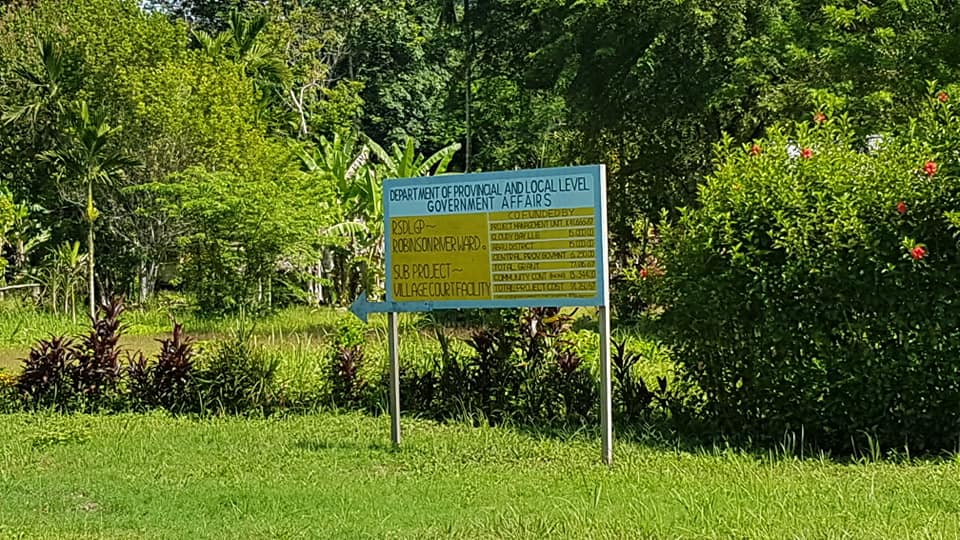
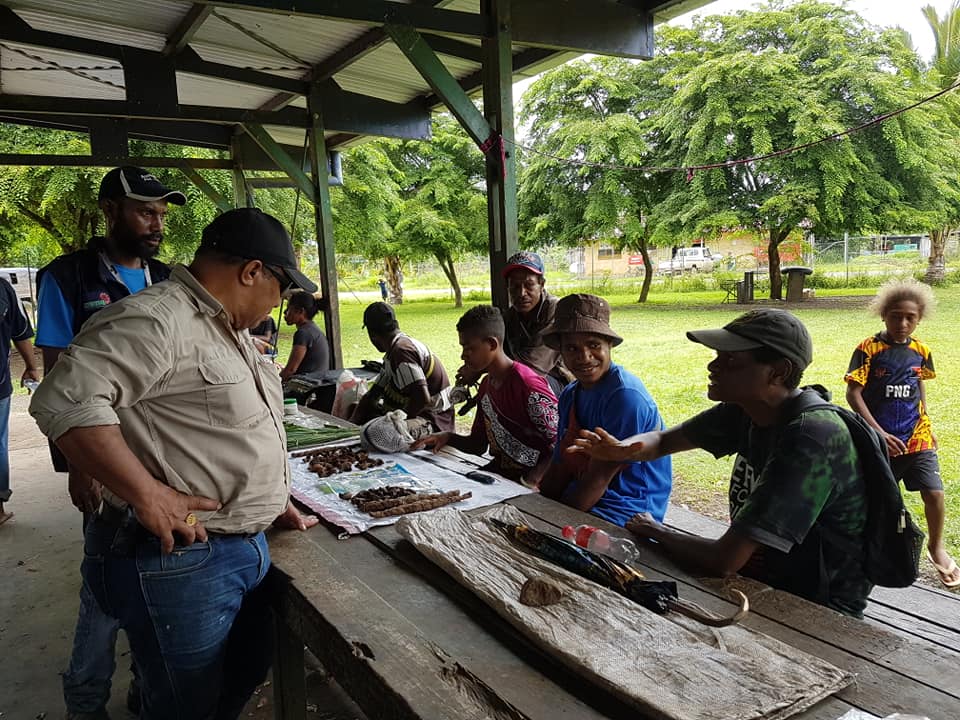
Below is a photo collection and a trip story by Central Governor Hon. Robert Agarobe making a visit to the cloudy bay timber areas in his province.


AGAROBE VISITS CLOUDY BAY, ABAU DISTRICT

Konedobu: On the morning of January 26th, 2019, Honourable Robert Agarobe, Governor for Central Province and a small team, set out for Cloudy Bay Local Level Government in the Abau District. The purpose of the trip was twofold in that not only was it taken to assess the condition of the roads and to see how the community were faring after the recent heavy rains and strong winds, but also to visit communities so the Honourable Governor could talk to them.

The trip saw Governor travel to Robinson River where he spent the night with locals and spoke to them of the work he intended to carry out in the forthcoming months and onwards. Following this, the team headed to Moroguina then Cloudy Bay where villages, farms and industry sites were visited with similar conversations of the work planned for the coming months being held.

Throughout the whole trip, at the various times he had the opportunity to speak to the community, Governor Agarobe told of his intentions to bring government services back into the districts and sub-districts, right into the communities. This he hopes to do so by establishing council chambers and making use of the government systems that are already in place, which he has spent the first sixteen months of his election as governor, on getting up and running. This has been to allow them to work effectively and efficiently to the advantage of service delivery.

Speaking to the people at the Cloudy Bay Local Level Government headquarters, Governor Agarobe spoke of his prior visits to the other districts and about his intention to eventually visit every local level government and also assured the people of the availability of funds to carry out projects. He, however, warned the people to do away with the mentality of free handouts as there was no such thing. A call was made for ward councillors to produce community development plans that aligned with the provincial government plans and priorities and under which projects would be initiated.

The Honourable Governor also made a point of highlighting the provincial government’s three priority areas which were (1) Agriculture, (2) Tourism, and (3) Sports which would be used to drive the province’s economy and he urged communities to ensure to align projects to these priority areas.

Governor Agarobe now intends to re-visit these communities in the coming months, along with other relevant divisions and stakeholders to make the communities aware of their rights and the work of ward recorders and to establish dialogue with them of how they can all partner in the development of and bringing services back to their respective communities.

The call now made by the Governor is for communities to start talking about their land, properly establishing ownership and getting them registered in anticipation of the economic activities and services that are being planned for.

Governor Agarobe has stated that the time for waiting for things to happen have since long gone, he now urges the people of Central Province to stand together and use their available resources to make things happen; to bring services back into the communities. 
-Via Garamut News. 

Thursday, February 7, 2019

Forestry Minister told Parliament, court battles over Cloudy Bay Timber has been cleared: The Elomar brothers in PNG

By PATRICK BEGLEY | SYDNEY MORNING HERALD (edited)

Sydney businessmen the Elomar brothers were busy in 2014.

Mamdouh Elomar was publicly decrying the actions of his son Mohamed, an Islamic State fighter in Syria who would go on to be photographed holding severed heads.

Mamdouh was also vying for Iraqi construction contracts with his brother Ibrahim, arranging a $US1 million bribe for which they would both be jailed last year.

But the pair struck another deal that year, paying $6 million for a logging company only to end up negotiating a $9 million payment from the previous owners after a dispute.

The case, now before the courts, involves the forests of Papua New Guinea and a development fund meant to help lift locals out of poverty.

And it hinges on claims that another businessman stole more than $10 million in assets belonging to the Papua New Guinean people.

Mamdouh, 64, and Ibrahim, 61, were raised in Lebanon in a family of 12 children and worked manual jobs in Australia before building a large construction company, Lifese.

The firm counted a former Supreme Court judge as its chairman and completed projects worth hundreds of millions of dollars.

In time, though, the Elomar brothers became better known for the extremist activities of their relatives.

Mamdouh’s brother Mohamed Ali Elomar is serving 21 years’ jail for his role in planning attempted terrorist attacks in Melbourne and Sydney in 2005.

Mamdouh’s son Ahmed was jailed for four years for assaulting a policeman at the 2012 riots in Sydney’s Hyde Park, after carrying a sign that said “our dead are in paradise, your dead are in hell”.

Then his son Mohamed, formerly a promising boxer, travelled to Syria to become one of Australia’s most infamous IS fighters, before he was killed in an airstrike in 2015.

Terrorism headlines were hurting the Lifese business in 2014, shrinking revenue.

But the Elomars found money in February that year to buy a timber operation called Cloudy Bay from the PNG Sustainable Development Limited (PNGSDL), a charitable trust part-run by Australians.

Managing $US1.3 billion in assets, PNGSDL funds local development projects with proceeds from the Ok Tedi mine that was once owned by BHP, which handed over its stake in return for immunity from environmental lawsuits.

“We commit ourselves to improving the quality of life of the people of Western Province,” the program says on its website.

The Elomars were joined by another Australian, 25 per cent shareholder Nick Roniotis, in buying the Cloudy Bay timber operation – including logging permits, production plants and a commercial building in Port Moresby – for 40 million kina, about $17 million at the time.

They paid $6.5 million up front, but then defaulted on the rest.

As they faced charges over the bribery in Iraq, the Elomars were negotiating hard over the PNG business to strike a new and unusual deal.

It would have allowed them to keep control of the company while receiving millions of dollars more than they ended up paying for it.

The deal, signed last February, was meant to put an end to a murky dispute.

PNG SDP could have taken back all of the timber operations’ assets, but it decided to forgive the $11 million debt in return for the Port Moresby property alone.

On top of this, PNGSDL said it would pay the Elomars’ company $9 million.

Once the property was transferred back to the development program and the money paid, both sides would relinquish any right to sue over the initial sale.

The deal was fair, according to PNGSDL’s Australian chief executive John Wylie, because it compensated the Elomars for a massive theft on the timber operation.

A former public servant and management consultant, Mr Wylie said the theft was committed by someone working within the development fund before the sale to the Elomars and was only discovered later.

“Physical assets” were allegedly stolen and funds siphoned off to pay for personal expenses, including school fees in Australia.

“The validated quantum of the theft was much more than $9 million,” he said.

The alleged thief, who cannot be named for legal reasons, has been reported to an anti-corruption body in Singapore, where the company was incorporated, Mr Wylie said.

“The PNG authorities are in the process of being informed,” he said. “This is being done carefully through lawyers and has yet to be fully executed.”

Deeds sighted by The Sun-Herald refer not to a theft but “disputes” between the buyer and seller.

Asked why the $9 million payment was to go to the Elomars personally, not the Cloudy Bay Company, Mr Wylie said Cloudy Bay had given a written executed authority for it.

“How they divvied up the spoils, as it were – we didn’t want to get involved in that. None of our business.”

The deal has yet to go through. The Elomars’ former business partner, Mr Roniotis, claimed he was cut out of the $9 million payment. He launched action in PNG’s National Court of Justice to have the sum paid to the timber company, not the Elomars’ venture.

Mr Roniotis also questioned the idea of compensation for a theft, saying he and the Elomars conducted due diligence on the company before buying it and found nothing untoward.

His lawyer, Stewart Levitt, has questioned the negotiations between PNGSDSL and the Elomars, who at the time had been facing foreign bribery charges for more than a year.

“It would be extraordinary for the trustees of a public trust to want to continue to do business with people known to be facing serious criminal charges which had been widely reported,” Mr Levitt said.

The Elomars, who pleaded guilty to the Iraq bribery last July, will be first eligible for release in September next year. Their lawyer at the time of the PNG deal negotiations, Abdul Reslan, did not return calls.

The establishment of PNGSDL and environmental damage from the Ok Tedi mine is now under investigation after PNG Prime Minister Peter O’Neill announced a public inquiry in parliament in early 2018.

Again in February 2019 Parliament setting, during Question Time, Central Province Governor Robert Agarobe raises concerns about the proprietor of Cloudy Bay Timber. According to the Governor, the people around the Cloudy Bay area used to be a small thriving economy, due to opportunities being created by the local timber company.

Mr. Angarobe wanted to know how the provincial administration and the local customary landowners could be in partnership with the proprietors in terms of equity why were they not notified when the facility had been closed down.

Forestry Minister Douglas Tomuriesa says the ownership issue has been around for a longtime. The Minister said PNG sustainable Development Limited sold the timber operations to a Middle East group of companies but because of security reasons and issues the Arab group had stopped operating.

“They haven’t operated in that time in more than 10 years. There have been some court battles which have now been cleared. The Department of Forestry had now taken over the operations while working through the Office of the State Solicitor,” Mr. Tomuriesa explained. -Via Garamut News. 


CPI 2018 Report: PNG ranks most corrupted in the world – making the indigenous people poorest

By MICHAEL KUMAKA | NEWSFLASH

The Papua New Guinea (PNG) Government has no legal control of the customarily land, forest resources and carbon in PNG; and thus it tried to influence the customary landowners in a ‘bully manner” with great interest on the benefits which are duly for the indigenous people.

In a sovereign nation one has to pay tax to the government for conducting commercial activities. Therefore, it would be better for the government to collect its 10% tax from the business activities the customary landowners (CLOs) engaged and not in some fraudulent manner, tapping into the coffers of the poor CLOs – what rightly belongs to them.

There have been some suspicious trustees and funds created by the Government for the people but most of them are corrupted and the money does not get right down to the people.

Some of which were created for the REDD+ funds are; Mama Graun Conservation Fund, PNG National Forest Fund (GreenPeace 2010) and the PES Fund (EcoForestry Forum 2010).

No one knows if any of these Government-created funds is functioning and/or operating to benefit the indigenous people on REDD+ options.

Timber Royalties for the indigenous people are managed and disbursed by the PNG Forestry Authority (PNGFA) and this is the only publicly known payments CLOs in the forestry sector receive to date.

Meanwhile, in a recent report presented by Transparency International PNG reveals PNG is one of the most corrupted nations in the world.

The 2018 Corruption Perception Index (CPI) published PNG ranking 138 out of 180, making it one of the most corrupted countries in the region and in the world.

Most of the corruption activities or rather say corruption cases dealing with billions of dollars is to do with illegal land grabbing and forest resources deprivation from CLOs.

One of the world’s biggest illegal land grabs that adds PNG to the global corruption scale is the Special Agriculture and Business Leases (SABL).

It’s more than five years after the government promised to cancel the SABL (special agriculture and business) leases and return the land to its customary owners, the people of Papua New Guinea are still waiting to hear which, if any, leases have been cancelled.

Few months ago, the United Nations wrote to the government for a third-time, accusing ministers of racial discrimination against their own people for not implementing the recommendations of the 2013 Commission of Inquiry and cancelling the leases.

Meanwhile, through a recent media statement, a CLO from the PNG LNG project area Bobby Joseph Pari is calling on the Government to publish the long-awaited list of clan vetting for the impacted clans to receive their benefits.

He said before registering for clan vetting, the PNG Government through the Department of Lands must publish their clan and/or tribes names for a month or two for all CLOs to debate their validity.

“Clan vetting must be published before the department gazettes it and not after the department gazettes it,” he cautioned of the forthcoming irregularities.

“If we do not do this, we will be faced with an issue similar to the Bougainville issue,” he added.

The CLOs themselves must be aware of what is happening so that they are given the opportunity to validate the clans before registration. 

The Government must give time for the CLOS to validate themselves and correct any mistakes, errors and omissions in handling. – Via Garamut News.